Rich archaeological landscapes have been intensely affected by predatory patterns of appropriation, particularly during the 19th century expansion of colonial powers. Predatory archaeology seriously affected the original sites, but it is also closely associated with the very foundations of archaeological Museums. Even after the emergence of scientific archaeology, by the end of the 19th century, archaeological work often meant anything but a systematic extraction of antiquities from the sites, with the latter remaining neglected, and the former donated or sold to several museums and private collections around the world, when they were not simply littered and left behind on site for the lack of a better use.

Contemporary archaeology must address this legacy. Connected Heritage is a project focused on Egyptian archaeology and revolves around three main axes:

  • Connecting dispersed heritage. Our approach is applied to a selection of archaeological finds which were dispersed in museums around the world. We document the objects with a view to reconstruct, as much as it is currently possible, the original composition of the find and its relation with the archaeological site.
  • Examining the rejectamenta left behind by archaeologists in the site. The study of these “leftovers” offers an important insight into neglected materials and objects and is an important archaeological resource.
  • Carrying out an archaeological management focused on a connected approach to the archaeological site aiming at keeping, as much as possible, the connection between the objects and the site.


In all these axes, the results of the research produced by scholars and curators are used by partners in the creative sector to connect heritage with audiences at local and global levels, especially through digital resources. Heritage management strategies thus requires connecting museum collections, archaeological sites, and people, both at local and global levels.

Akoris - ULisbon Archaeological Project in Egypt

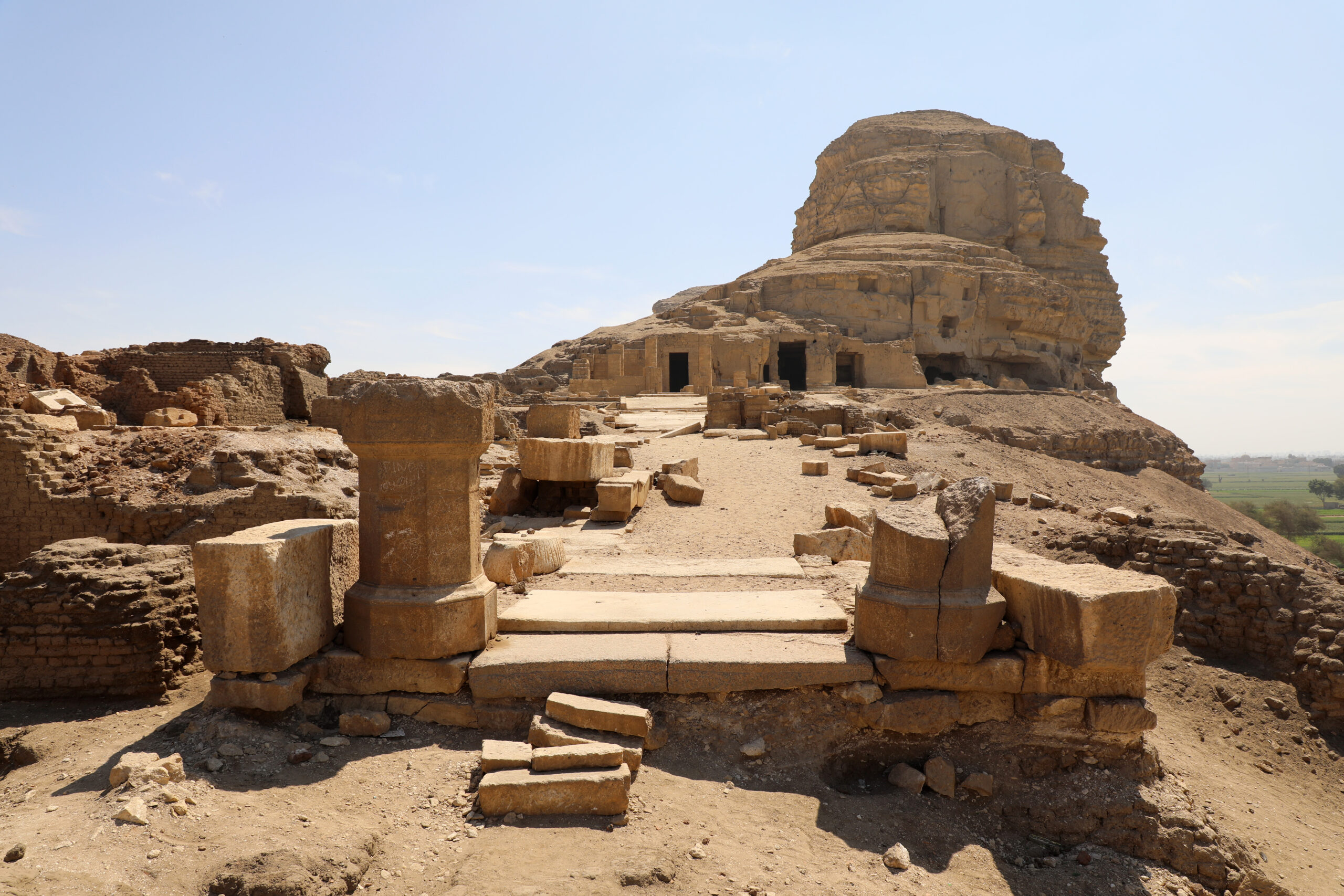
Akoris, modern Tina el-Gebel, is an ancient settlement dating back to the Old Kingdom located on the east bank of the Nile about 12 km north of Al Minya, comprising a necropolis excavated on the eastern slope of the desert mountain and a Roman city. ULisbon Archaeological Project in Egypt aims at studying these structures carrying out an integrative approach to the site
Gate of the Priests (Bab el-Gasus Project)

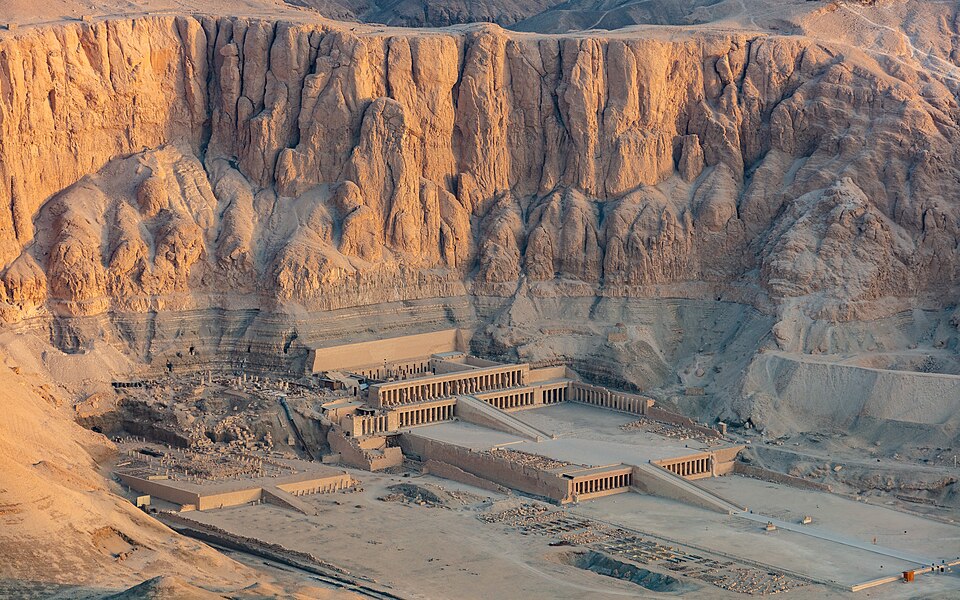
The Tomb of the Priests of Amun (Bab el-Gasus) was found intact in 1891 with 153 burial assemblages belonging to the Theban priesthood of Amun dating from the 21st Dynasty. The find was divided in 1892 and 17 collections were formed and donated to 17 countries, while the mummies and the remaining objects were kept in Egypt. Bab el-Gasus Project aims at carrying out an integrated study of the find.
Medjehu Project

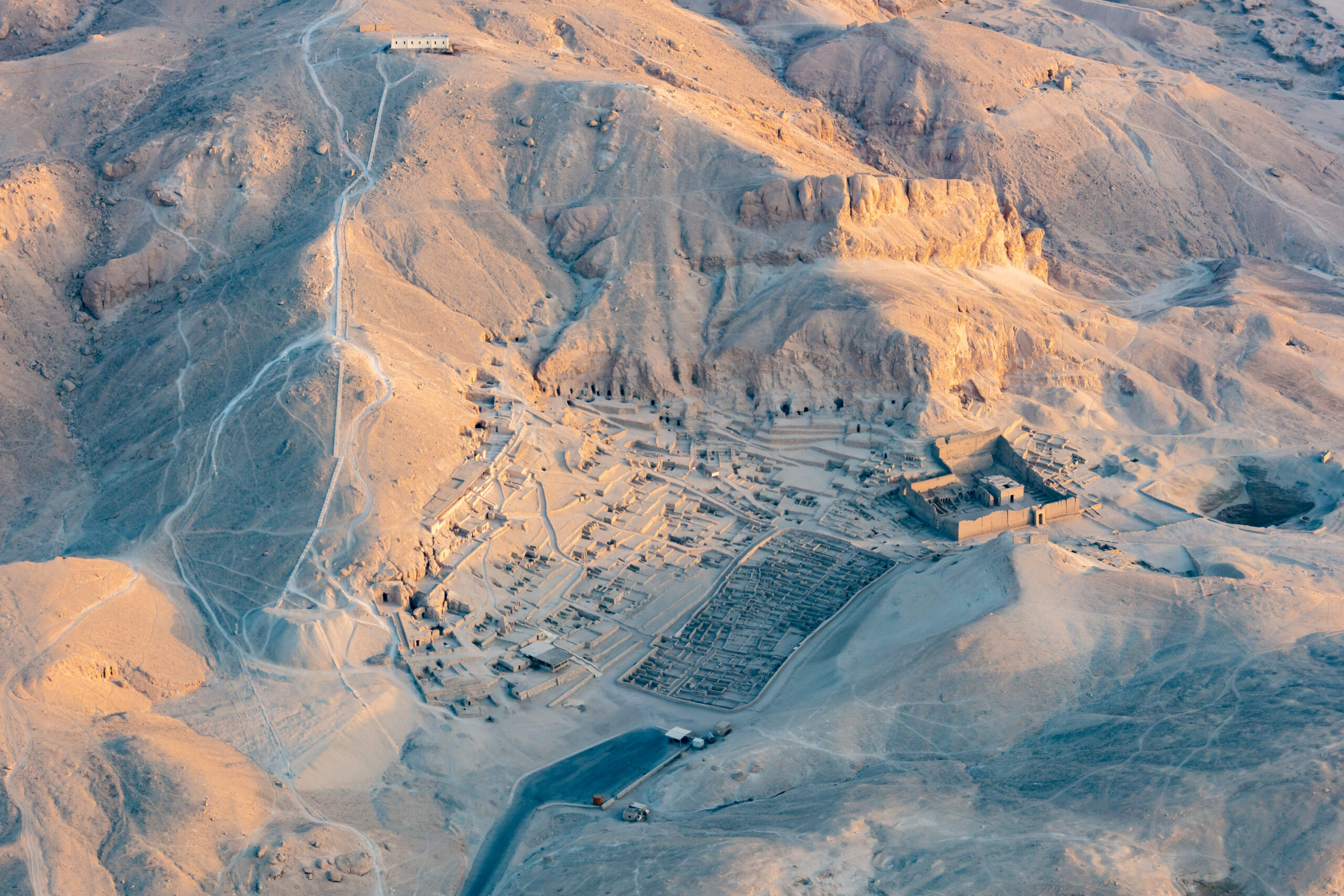
Deir el-Medina, the village of the royal artesans from the New Kingdom, has been excavated since the dawn of Egyptology, but only in the 20th century, first with Ernesto Schiaparelli and after with Bernard Bruyère, the site became systematically studied. Over the years, a vast hoard of materials considered «not important» for the archaeological examination had accumulated in improvised storerooms.
Medjehu Project studies these objects aiming to connect them back to the ancient occupation of the site.